Our Covenant with God and Each Other
When we speak of a Christian marriage, we are not merely discussing a social contract or a romantic partnership; we are talking about a sacred covenant, a profound commitment not only to each other but, more importantly, to God. This understanding forms the very bedrock of our union, setting it apart and imbuing it with a purpose that extends far beyond our individual desires. We believe that marriage was instituted by God Himself, a divine design for human flourishing, reflecting the relationship between Christ and His church. This high calling means our marriage is not ours alone to define; it is a living testament to God’s love and faithfulness, a ministry in itself.
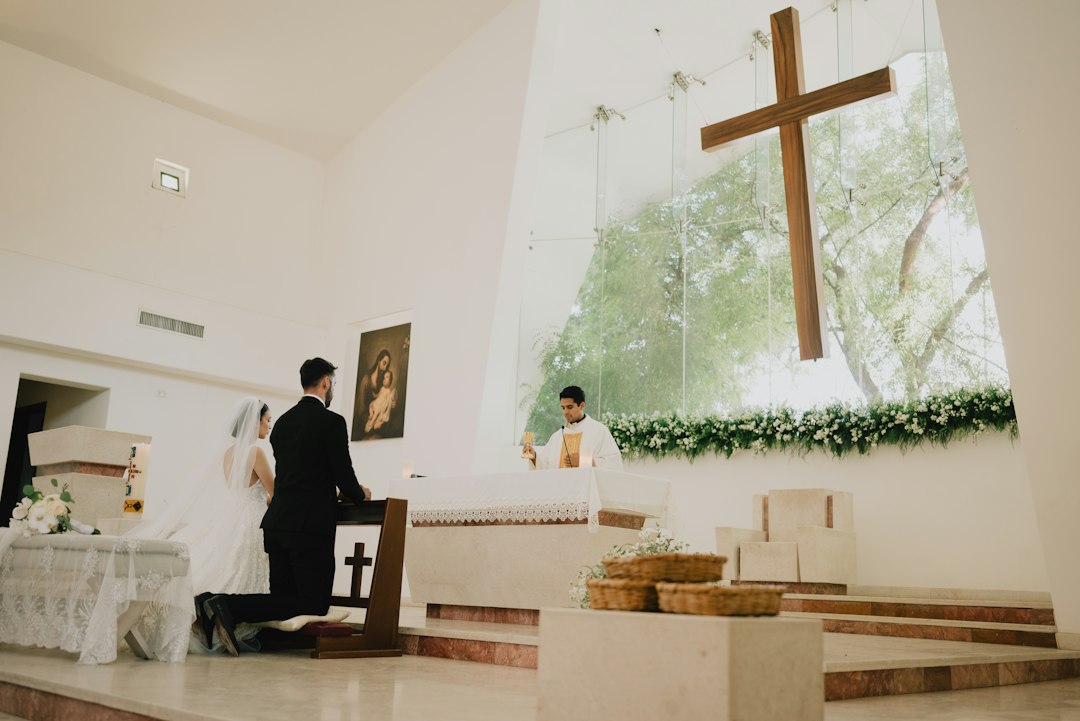
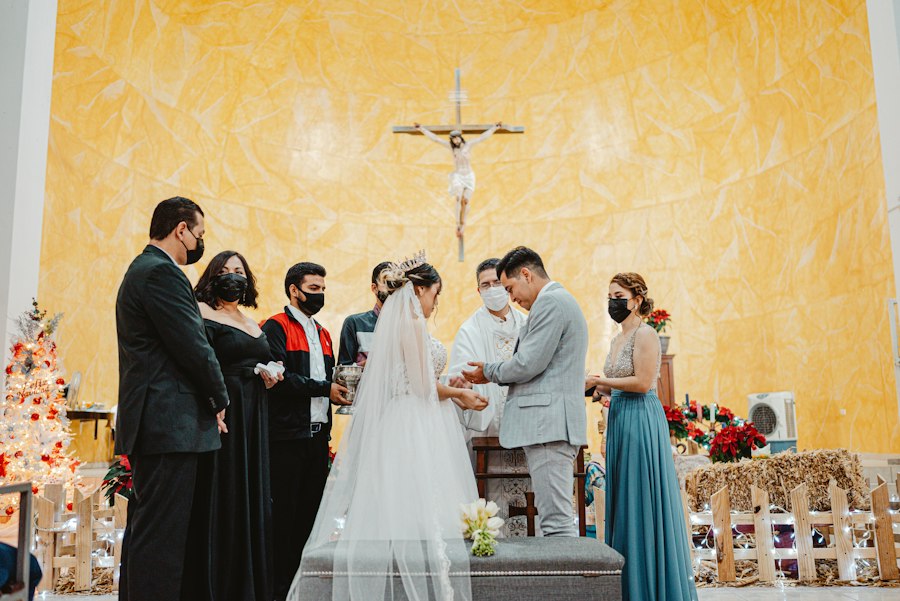
From the moment we stood before God and our community, making those solemn vows, we understood we were entering into something far greater than ourselves. It was a promise to love, honor, and cherish, in sickness and in health, for richer or poorer, until death parts us. But for us, those words carried an even deeper weight: they were a pledge to seek God’s will for our lives together, to build our home on the solid rock of His Word, and to allow Him to be the third strand in our cord, making it unbreakable (Ecclesiastes 4:12). This foundational belief shapes every decision we make, every conflict we navigate, and every joy we share. It means our marriage is a lifelong journey of sanctification, where God uses our relationship to refine us, to teach us patience, forgiveness, and unconditional love, ultimately drawing us closer to Him.
Understanding Divine Design
We recognize that God’s design for marriage is both beautiful and challenging. It calls us to a level of selflessness and sacrifice that goes against our natural inclinations. We are called to serve one another, to put the needs of our spouse before our own, mirroring Christ’s servant heart. This isn’t always easy, and sometimes our flesh cries out for our own way, our own comfort, our own agenda. But it is precisely in these moments that we return to our foundational understanding: that marriage is designed by God for our good and for His glory. When we embrace this divine design, we find a freedom and a depth of love that worldly perspectives simply cannot offer. It means actively seeking to understand our spouse’s heart, praying for them, and encouraging them in their walk with Christ. It means seeing our spouse not just as a partner, but as a fellow heir of God’s grace, someone we are called to shepherd and support on their journey to eternity.
The Power of Vows and Commitment
Our vows were not just words; they were a declaration before God and witnesses, a covenant sealed with spiritual weight. We believe in the sanctity of those vows, and they serve as a constant reminder of our commitment to each other, especially during difficult seasons. When challenges arise, and they inevitably will, we don’t look for an exit strategy. Instead, we revisit those vows, reminding ourselves of the sacred promise we made. This commitment provides a framework of security and stability, allowing us to face life’s storms together, knowing that our bond is divinely ordained and fortified. It’s a commitment that transcends fleeting emotions, anchoring us in steadfast love and unwavering loyalty. We understand that commitment is not just about staying together; it’s about actively working on our marriage, nurturing it, and fighting for it, even when it’s hard. It’s about choosing each other every single day, with intention and grace.
Cultivating Christ-Centered Communication
Effective communication is often lauded as the cornerstone of any healthy relationship, but in a Christian marriage, we believe it takes on an even deeper spiritual dimension. Our communication is not merely about exchanging information or expressing feelings; it’s about fostering intimacy, understanding, and unity, all rooted in Christ’s example. We strive to communicate in a way that honors God and respects our spouse, reflecting the love and grace that He has poured into our hearts. This means approaching conversations with humility, a willingness to listen, and a commitment to seek understanding before being understood.
We recognize that communication is a skill that needs constant cultivation. It doesn’t always come naturally, especially when emotions run high or when we’re dealing with sensitive topics. That’s why we intentionally practice Christ-centered communication, drawing on biblical principles to guide our interactions. This involves speaking truth in love (Ephesians 4:15), being slow to anger and quick to listen (James 1:19), and avoiding harsh words or destructive criticism (Proverbs 15:1). Our goal is always to build up, not to tear down, to foster connection, not to create distance.
The Art of Active Listening
For us, listening is not just waiting for our turn to speak; it’s a genuine effort to understand our spouse’s heart, their perspective, their feelings, and their needs. We strive to practice active listening, which means giving our full attention, making eye contact, and offering verbal and non-verbal cues that show we are engaged. We try to set aside distractions, put down our phones, and truly be present in the moment when our spouse is speaking. This often involves asking clarifying questions, reflecting back what we’ve heard, and seeking to empathize with their experience. We’ve found that when we truly listen to each other, we uncover deeper layers of understanding and compassion, which strengthens our bond significantly. It also helps us to avoid misunderstandings and to address issues more effectively, as we are working from a place of genuine comprehension rather than assumptions.
Speaking Truth in Love
While listening is crucial, so is the way we express ourselves. We believe in the importance of speaking truth in love, a principle derived from Ephesians 4:15. This means being honest and open about our thoughts and feelings, but always doing so with gentleness, respect, and a desire to build up our spouse. It means avoiding accusatory language, “you always” or “you never” statements, and instead focusing on our own feelings and needs, using “I” statements. For example, instead of saying, “You always leave your clothes on the floor,” we might say, “I feel frustrated when I see clothes on the floor because it makes the room feel cluttered.” This approach allows us to communicate our concerns without shaming or attacking our spouse, fostering a safe environment for open dialogue. We also strive to choose the right timing and setting for important conversations, avoiding discussions when we are tired, stressed, or in a public place where privacy is limited.
Resolving Conflict Biblically
Conflict is an inevitable part of any human relationship, and Christian marriage is no exception. However, our approach to conflict resolution is guided by biblical principles. We don’t view conflict as something to be avoided at all costs, but rather as an opportunity for growth, understanding, and deeper intimacy. When disagreements arise, we commit to addressing them directly, rather than letting resentment fester. Our goal is not to “win” an argument, but to find a resolution that honors God and strengthens our relationship. This often involves prayer, seeking God’s wisdom and guidance, and being willing to humble ourselves and ask for forgiveness when we are wrong. We also focus on forgiveness, both extending it and seeking it, recognizing that we are all imperfect and in need of God’s grace. We remind ourselves that our unity in Christ is more important than any individual disagreement, and we strive to find common ground and move forward together, even if it means agreeing to disagree on certain minor points.
The Practice of Spiritual Intimacy

Beyond communication, we believe that spiritual intimacy forms the very soul of a thriving Christian marriage. It’s the shared journey of growing closer to God, together, and allowing that connection to permeate every aspect of our relationship. This isn’t just about attending church together or saying a quick prayer before meals; it’s about intentionally pursuing God’s presence in our individual lives and actively seeking to grow spiritually as a couple. When we prioritize our spiritual lives, we find that our marriage becomes more resilient, more joyful, and more purposeful. It provides a shared compass for our lives, ensuring that we are heading in the same direction, guided by the Holy Spirit.
Spiritual intimacy is cultivated through consistent practices that draw us closer to God and to each other in Him. It’s a recognition that our deepest connection is not merely emotional or physical, but spiritual. When our spirits are united in Christ, our marriage transcends the ordinary and becomes a powerful testimony to God’s grace. We find that when one of us is struggling spiritually, the other can step in with prayer and encouragement, reminding each other of God’s faithfulness. This shared spiritual foundation allows us to navigate life’s challenges with a sense of peace and hope that can only come from above.
Praying Together
One of the most powerful ways we cultivate spiritual intimacy is through praying together. This practice allows us to bring our hopes, fears, concerns, and gratitude before God as a united front. It’s an act of vulnerability and dependence on God, acknowledging that we need His wisdom and strength to navigate life and marriage. When we pray together, we are not just talking to God; we are also hearing each other’s hearts in a unique way. We learn about each other’s burdens, their dreams, and their struggles, fostering a deeper empathy and understanding. Sometimes our prayers are simple, spontaneous expressions of gratitude or requests for guidance; other times, they are more focused, perhaps praying over a specific challenge or for our children. Regardless of the form, the act of kneeling or sitting together, hands joined, and lifting our voices to God strengthens our spiritual bond immeasurably. It reminds us that God is the ultimate provider and susturer of our marriage.
Shared Bible Study and Devotion
Engaging with God’s Word together is another vital component of our spiritual intimacy. When we study the Bible or read devotional materials as a couple, we are inviting God to speak into our marriage, to shape our perspectives, and to guide our decisions. This shared spiritual nourishment helps us to align our values and priorities, ensuring that our lives are built on biblical truth. It also provides opportunities for rich discussions about faith, life, and how God is working in and through us. We might read a chapter of Proverbs and discuss its application to our daily lives, or we might work through a marriage-focused devotional that sparks meaningful conversations. These times of shared learning and reflection not only deepen our understanding of God but also deepen our understanding of each other, as we see how God is speaking to each of us individually and how we can support each other in our spiritual growth.
Serving God Together
Serving God together, whether within our church community or in wider ministry, strengthens our spiritual bond and gives our marriage a shared purpose beyond ourselves. When we use our gifts and talents to serve others for God’s glory, we experience a sense of unity and fulfillment that enriches our relationship. It allows us to witness God at work through us as a couple, and to grow in humility and compassion. This could involve serving in a ministry at our church, volunteering for a charitable organization, or simply opening our home to those in need. Whatever the form, serving together reminds us that our marriage is not just for our own benefit, but is a vessel God can use to bless others. It shifts our focus from inward to outward, fostering a spirit of generosity and collaboration that spills over into every aspect of our married life. It helps us to remember that our ultimate purpose is to glorify God, and when we pursue that purpose together, our marriage becomes a powerful instrument in His hands.
Prioritizing Practical Love and Respect
While spiritual intimacy forms the core, a strong Christian marriage also requires the consistent, intentional practice of practical love and respect in our daily lives. These aren’t just abstract concepts; they are actions, attitudes, and choices that demonstrate our commitment to one another in tangible ways. We believe that love isn’t just a feeling; it’s a verb, and respect is the lens through which we view our spouse, recognizing their inherent worth and value as a creation of God. Neglecting these practical expressions can erode even the most solid spiritual foundation, so we strive to integrate them into the fabric of our everyday interactions.
We understand that our marriage is a dynamic entity, constantly evolving, and thus requires continuous effort and intentionality in these areas. It means being mindful of the small things as much as the big ones, as it’s often in the daily routines and seemingly insignificant interactions that love and respect are truly demonstrated. This ongoing commitment to practical love and respect creates a safe, nurturing, and affirming environment where both partners can thrive, feel valued, and grow into the people God has called them to be. It’s about building a culture of honor and appreciation within our home.
Acts of Service and Thoughtfulness
One of the most impactful ways we express practical love is through acts of service and thoughtfulness. These are the daily gestures, big and small, that communicate care and consideration. It might be helping with a chore without being asked, making a cup of coffee for our spouse, running an errand, or simply leaving a thoughtful note. These actions, often seemingly minor, are powerful affirmations that we see our spouse, we appreciate them, and we are willing to go out of our way to make their life a little easier or brighter. They reflect a heart of servanthood, mirroring Christ’s example of washing His disciples’ feet. We’ve learned that anticipating each other’s needs and proactively meeting them, even in small ways, can prevent stress and build a deep reservoir of goodwill. These acts speak volumes, reinforcing the message, “I love you, I value you, and I am here for you.”
Affirmation and Encouragement
Respect and love are also powerfully conveyed through our words and attitudes of affirmation and encouragement. We make a conscious effort to speak positively about and to our spouse, both in private and in public. This means regularly expressing gratitude for who they are and what they do, acknowledging their strengths, and celebrating their achievements. It means offering words of encouragement when they are facing challenges or pursuing a goal, reminding them of God’s promises and their own capabilities. We avoid criticism, gossip, or negative talk about our spouse, understanding that such behavior can be deeply damaging to their spirit and to the trust in our relationship. Instead, we seek to be each other’s biggest cheerleaders, building each other up with grace-filled words. This creates an atmosphere where both partners feel secure, valued, and empowered to be their best selves, knowing they have a supportive and loving partner by their side.
Honoring Boundaries and Individuality
While unity is a core principle of marriage, we also recognize the importance of honoring each other’s individual boundaries, needs, and identities within the marital union. Respect means acknowledging that our spouse is a distinct person with their own thoughts, feelings, past experiences, and relationship with God. It involves respecting their personal space, their need for solitude at times, their unique interests, and their friendships outside of our marriage. We strive to support each other’s individual growth and callings, understanding that a healthy marriage is made up of two whole individuals, not two halves. This means being mindful of their personal time, not overstepping boundaries in conversation or actions, and valuing their perspectives even when they differ from our own. Honoring individuality within the context of our covenant strengthens our marriage by allowing each partner to flourish, bringing their unique gifts and perspectives to enrich our shared life. It shows that we love them not just for what they do for us, but for who they are as a child of God.
Sustaining the Romance and Intimacy
| Metric | Value | Notes |
|---|---|---|
| Average Age at Marriage | 28 years | Varies by denomination and region |
| Marriage Ceremony Duration | 30-60 minutes | Typical Christian wedding service length |
| Common Marriage Vows | Yes | Includes promises of love, honor, and faithfulness |
| Divorce Rate | Approximately 30-40% | Varies by country and denomination |
| Pre-Marital Counseling | Often Required | Encouraged or mandated by many churches |
| Number of Christian Marriages Annually (US) | ~500,000 | Estimate based on national statistics |
| Common Symbols Used | Rings, Bible, Cross | Represents commitment and faith |
Finally, to build and maintain a truly strong Christian marriage, we must intentionally cultivate and sustain romance and intimacy. While often associated with the early stages of a relationship, we believe that these elements are vital throughout our entire journey together. Romance isn’t just about candlelit dinners; it’s about intentional efforts to keep the spark alive, to cherish each other, and to express our affection in ways that are meaningful to our spouse. Intimacy, in its broadest sense, encompasses emotional, physical, and recreational connection, all of which deepen our bond and reflect the holistic nature of our union designed by God.
We understand that life can get busy, and responsibilities can weigh heavily, making it easy to let romance and intimacy slide. However, we view these as non-negotiable investments in our marriage, essential for nurturing the joy, passion, and closeness that God intends for us. Neglecting these areas can lead to emotional distance and a sense of being merely roommates rather than lovers. Therefore, we prioritize making time for each other, to connect, to laugh, and to simply enjoy one another’s company. This deliberate pursuit of romance and intimacy strengthens our marital foundation by continually renewing our emotional and physical connection, reminding us of the special place we hold in each other’s lives.
Nurturing Emotional Connection
Emotional intimacy is the bedrock upon which all other forms of intimacy are built. It involves regularly sharing our hearts, our vulnerabilities, our triumphs, and our struggles with each other in a safe and trusting environment. This means carving out time for meaningful conversations, not just about logistics and schedules, but about our deeper thoughts and feelings. We strive to be each other’s primary confidant, the first person we turn to with good news or bad. Nurturing emotional connection also involves being attuned to each other’s emotional states, offering comfort when one is hurting, and celebrating together in times of joy. It’s about creating a space where both partners feel fully seen, heard, and understood, fostering a deep sense of belonging and acceptance. This ongoing process of emotional sharing ensures that we remain deeply connected at heart, able to support and encourage each other through all of life’s seasons.
Prioritizing Physical Intimacy
Physical intimacy within marriage is a sacred gift from God, designed for pleasure, procreation, and profound connection. We believe it’s an essential aspect of our marital bond, reflecting the “one flesh” union described in scripture. Prioritizing physical intimacy means making time for it, communicating our desires and needs with respect and tenderness, and being sensitive to each other’s preferences. It’s about expressing love and affection through touch, whether it’s a simple hug, holding hands, or more intimate expressions. We understand that physical intimacy is not just about the act itself, but about the emotional connection that precedes and accompanies it. It’s an expression of our deepest love, commitment, and vulnerability to one another, a unique language that solidifies our bond. We view it as a way to deepen our unity, release stress, and reinforce our unique connection as husband and wife, all within the beautiful boundaries God has established.
Regular Dates and Shared Activities
To keep the flame of romance alive, we consciously prioritize regular dates and shared activities. This isn’t just about having fun; it’s about intentionally setting aside time to focus on each other, to create new memories, and to reinforce our partnership. These can be formal date nights out, or simple, creative “dates” at home after the kids are asleep. The key is the intentionality of spending quality time together, undistracted by the demands of daily life. We also make an effort to engage in shared hobbies and activities that we both enjoy, or even try new things together. This creates opportunities for laughter, playful interaction, and a sense of shared adventure. These moments of connection allow us to reconnect, to remember why we fell in love, and to continually invest in the joy and vitality of our relationship. It’s about being each other’s best friend and reminding ourselves that we genuinely enjoy spending time together, making our marriage not just resilient, but truly delightful.
FAQs
What is the significance of Christian marriage?
Christian marriage is considered a sacred union between a man and a woman, reflecting the relationship between Christ and the Church. It is a covenant before God, emphasizing love, commitment, and mutual respect.
What are the key elements of a Christian marriage ceremony?
A Christian marriage ceremony typically includes vows, exchange of rings, prayers, readings from the Bible, and a blessing from a minister or priest. The couple may also choose to incorporate other symbolic rituals such as lighting a unity candle.
What are the biblical principles that guide Christian marriages?
Christian marriages are guided by principles such as love, forgiveness, selflessness, and faithfulness. The Bible teaches spouses to honor and respect each other, to prioritize their relationship, and to seek God’s guidance in their marriage.
How does Christian marriage differ from secular marriage?
Christian marriage is distinguished by its foundation in faith and the belief that marriage is a divine institution ordained by God. Couples in a Christian marriage often seek to follow biblical teachings and rely on prayer and spiritual support to strengthen their relationship.
What role does the church play in supporting Christian marriages?
The church plays a vital role in supporting Christian marriages by providing premarital counseling, marriage enrichment programs, and pastoral guidance. Couples can seek spiritual advice, participate in marriage retreats, and connect with a community of believers for support and encouragement in their marriage.