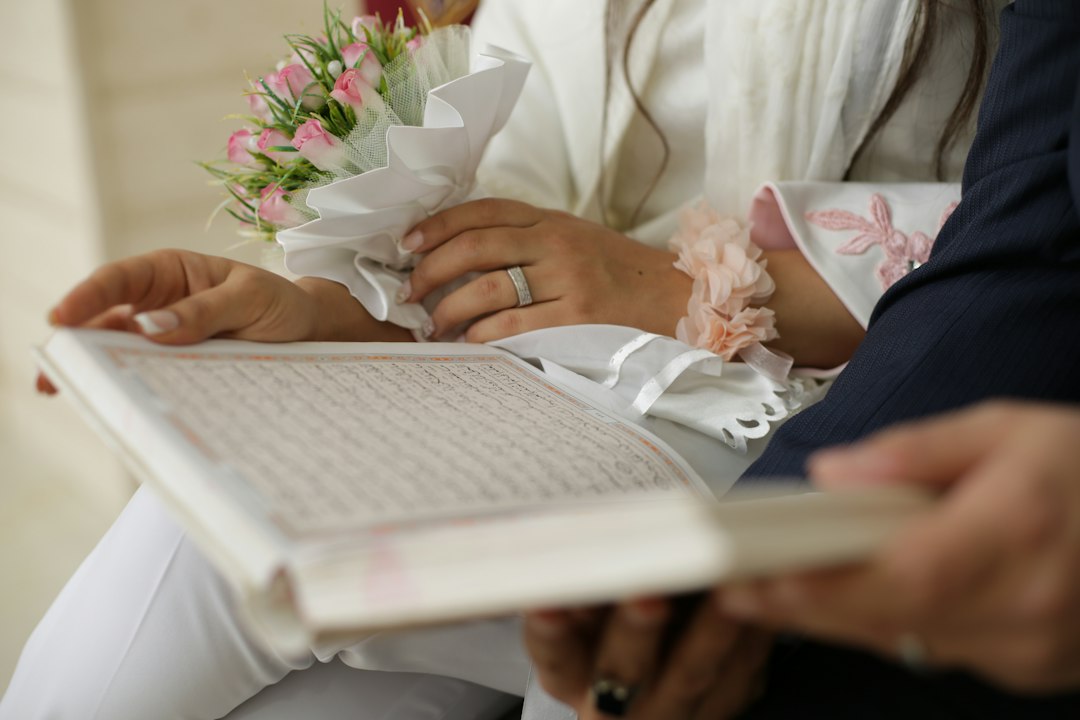
Foundations of Our Covenant: Understanding Biblical Marriage
When we speak of a “biblical husband and wife,” we’re not merely referring to a quaint, historical concept; we are delving into a profound, divinely-instituted framework for one of the most intimate and foundational human relationships. For us, as believers, marriage is not simply a social contract or an emotional partnership, but a sacred covenant mirroring the relationship between Christ and His Church. This understanding profoundly shapes our approach to everything within our marital union, from communication to conflict resolution, from raising children to pursuing individual callings.
The very genesis of marriage, as depicted in Genesis 2:24, states, “Therefore a man shall leave his father and his mother and hold fast to his wife, and they shall become one flesh.” This “one flesh” concept is far more than just physical intimacy; it speaks to a deep, spiritual, emotional, and intellectual unity. We believe it implies a profound intertwining of lives, a merging of destinies, and a commitment to prioritize this new family unit above all other earthly relationships. It’s a departure from individualistic pursuits to a shared journey, where our individual identities are refined and strengthened within the crucible of our shared life.
The Divine Blueprint for Our Roles
Within this covenant, the Bible outlines distinct, yet complementary, roles for husband and wife. Ephesians 5:22-25 famously instructs wives to “submit to your own husbands, as to the Lord,” and husbands to “love your wives, as Christ loved the church and gave himself up for her.” We recognize that in our contemporary society, these verses can be misunderstood or even maligned. However, when viewed through a biblical lens, they speak to a beautiful, functional design intended for mutual flourishing, not domination or subjugation.
For us, the wife’s submission is not about inferiority or a lack of voice. Instead, it’s a willing, joyful deference to her husband’s loving leadership, a trust in his desire to lead the family in a way that honors God. It’s an act of respect and collaboration, recognizing his God-given responsibility for the spiritual and practical oversight of the household. We understand that this submission is always in the context of “as to the Lord,” meaning it is never to be to sin or to abuse, but to a husband who is actively striving to live according to God’s Word.
Conversely, the husband’s call to love his wife “as Christ loved the church” is an incredibly high standard, demanding selfless, sacrificial, and unconditional love. This isn’t a passive affection; it’s an active, pursuing, protective, and nurturing love that prioritizes his wife’s well-being, spiritual growth, and emotional security above his own. It means laying down his own desires, serving her needs, and being willing to give everything for her, just as Christ gave His life for us. This kind of love, when genuinely lived out, creates an environment where a wife can feel safe, cherished, and empowered to thrive.
Ultimately, we see these roles not as rigid hierarchies, but as a dynamic partnership where each person’s unique strengths are leveraged for the good of the whole. Our goal is to glorify God in our union, and we believe that living out these biblical principles is the most effective way to achieve that.
Cultivating Intimacy and Communication in Our Marriage

The strength of any marriage, and especially a biblical one, is deeply intertwined with the quality of its intimacy and communication. For us, these aren’t just practical skills; they are spiritual disciplines that require intentionality, vulnerability, and a constant reliance on God’s grace.
Nurturing Spiritual Intimacy
True biblical intimacy extends far beyond the physical. It encompasses a deep spiritual connection, where we actively seek to grow together in our faith. This means praying together, reading the Bible together, and discussing spiritual truths. When we share our spiritual journeys, our struggles, and our victories with one another, it creates a bond that transcends the everyday challenges of life. We find that when our spiritual lives are aligned, it strengthens every other aspect of our marriage.
Praying together is particularly powerful. It’s an act of humble surrender, inviting God into the very center of our relationship. When we bring our concerns, our joys, and our requests before God as a united front, we experience a unique sense of closeness and shared purpose. It reminds us that our marriage is not just about us, but about God’s plan for our lives. Similarly, engaging with Scripture together provides a shared foundation of truth, shaping our worldview and guiding our decisions. It allows us to speak the same “spiritual language” and to understand God’s heart for our marriage.
Prioritizing Open and Honest Communication
Effective communication is the lifeblood of our relationship. We strive for a level of transparency and honesty that fosters trust and understanding. This means not only sharing our thoughts and feelings but also actively listening to one another, seeking to understand before being understood. We recognize that both speaking and listening are crucial, and both require effort and humility.
We aim to create a safe space where we can express our deepest fears, our greatest hopes, and even our frustrations without fear of judgment or retaliation. This often means being vulnerable, admitting when we’ve been wrong, and extending grace when the other person falters. We’ve learned that healthy communication isn’t about winning an argument but about understanding each other and moving forward together.
Conflict, for instance, is an inevitable part of any human relationship. In a biblical marriage, we approach conflict not as an opportunity to assign blame but as an opportunity for growth and deeper understanding. We strive to engage in “soft startups,” approaching difficult conversations with kindness and a desire for resolution rather than accusation. We also practice forgiveness, remembering that we have been forgiven much by God, and extending that same grace to one another. We confess our shortcomings to one another, ask for forgiveness, and commit to working through the issue with God’s help. This cycle of honest communication, confession, and forgiveness is vital for maintaining a healthy and thriving relationship.
Navigating Challenges with Faith and Resilience

Life, as we know, is rarely a smooth path. Marriages, even those rooted in biblical principles, will inevitably face trials and tribulations. For us, these challenges are not signs of failure, but opportunities for growth, for drawing closer to God, and for deepening our commitment to one another. Our faith provides us with an unshakeable foundation and a source of strength when difficulties arise.
Leaning on God Through Adversity
When we encounter financial strain, health issues, or family crises, our first instinct is to turn to God. We believe that He is sovereign and that He works all things for the good of those who love Him (Romans 8:28). This doesn’t mean that we are immune to pain or worry, but it does mean that we have a hope that transcends our circumstances. We pray together, seeking His wisdom and guidance, and we remind ourselves of His faithfulness in past trials.
We also find strength in Christian community. Surrounding ourselves with other believers who are committed to biblical marriage provides invaluable support, encouragement, and accountability. Sharing our struggles with trusted friends or mentors allows us to receive wise counsel and prayer, reminding us that we are not alone in our journey. This communal aspect of our faith is a vital lifeline when we feel overwhelmed. We believe in the power of intercessory prayer and the wisdom of those who have walked similar paths.
Practicing Forgiveness and Reconciliation
Another critical aspect of navigating challenges is the ongoing practice of forgiveness. We are imperfect people married to imperfect people, and offenses, both intentional and unintentional, will occur. The Bible calls us to “bear with each other and forgive one another if any of you has a grievance against someone. Forgive as the Lord forgave you” (Colossians 3:13). This is not always easy, especially when wounds are deep.
However, we understand that withholding forgiveness is like drinking poison and expecting the other person to suffer. It breeds bitterness and resentment, which are destructive to the marriage covenant. Therefore, we commit to actively choosing to forgive, even when feelings of hurt linger. This doesn’t mean condoning wrong behavior, but it means releasing the other person from the debt we feel they owe us. It’s an act of grace that paves the way for reconciliation and healing.
Reconciliation, in turn, often requires both parties to take responsibility for their part in the conflict, to offer genuine apologies, and to commit to making amends where possible. It’s a process of rebuilding trust and restoring intimacy. We believe that God, who is the ultimate reconciler, empowers us to extend this same grace to one another, strengthening our marriage through every repaired breach. Each act of forgiveness and reconciliation deepens our understanding of God’s grace and solidifies our bond.
Honoring Our Covenant Through Service and Selflessness
A biblical marriage, at its core, is a call to selflessness and service. It challenges us to move beyond our individual desires and to prioritize the well-being and flourishing of our spouse. This ethos of giving, rather than taking, is what truly transforms a good marriage into a great one, reflecting the very heart of Christ.
Serving Each Other Daily
We believe that love is not just a feeling, but an action. Therefore, we actively look for ways to serve one another in our daily lives. This can be as simple as preparing a favorite meal, doing a chore without being asked, offering a comforting word, or taking on a responsibility to ease the other’s burden. These small acts of service, performed consistently and with a loving heart, communicate deep care and appreciation.
For the husband, this often means actively seeking ways to demonstrate his sacrificial love, as Christ loved the church. This might involve stepping up to lead in difficult situations, protecting his wife from unnecessary stress, or investing in her spiritual and emotional growth. For the wife, it means respecting her husband’s leadership and actively supporting him in his endeavors, nurturing the home, and uplifting him with her words and actions. We recognize that these expressions of service will look different in every marriage, but the underlying principle of putting the other’s needs before our own remains constant.
We also understand that true service is often inconvenient. It requires us to step out of our comfort zones and to lay aside our own preferences. But it is in these moments of sacrifice that we truly reflect the love of Christ, who came not to be served, but to serve (Matthew 20:28). This mutual service creates a reciprocal environment where both spouses feel cherished, valued, and deeply loved.
Prioritizing Our Shared Mission and Purpose
Beyond individual acts of service, we also believe in finding and pursuing a shared mission or purpose as a couple. This could involve raising our children to know the Lord, serving in our church, engaging in community outreach, or pursuing a common vocational calling. When we work together towards a goal that is bigger than ourselves, it strengthens our bond and gives our marriage a deeper sense of meaning and direction.
This shared mission also reminds us that our marriage is not an end in itself, but a means to glorify God. It’s an opportunity to bear witness to His love and faithfulness in the world. When we align our individual gifts and talents to serve a common purpose, we become a more effective team, capable of achieving more than we could individually. This shared sense of purpose provides a powerful unifying force, helping us to navigate disagreements and to persevere through challenges with a united front.
Leaving a Legacy: Children and the Future of Our Covenant
| Aspect | Biblical Reference | Description | Key Metric or Principle |
|---|---|---|---|
| Love | Ephesians 5:25 | Husbands are instructed to love their wives as Christ loved the church. | Self-sacrificial love |
| Respect | Ephesians 5:33 | Wives are called to respect their husbands. | Mutual respect |
| Unity | Genesis 2:24 | Man and wife become one flesh in marriage. | Oneness in purpose and spirit |
| Submission | Ephesians 5:22 | Wives are encouraged to submit to their husbands as to the Lord. | Voluntary submission based on love |
| Leadership | 1 Corinthians 11:3 | Husband is head of the wife as Christ is head of the church. | Servant leadership |
| Faithfulness | Proverbs 5:18-19 | Encouragement to rejoice in the spouse and remain faithful. | Marital fidelity |
| Communication | James 1:19 | Be quick to listen, slow to speak, slow to anger. | Effective and patient communication |
| Forgiveness | Colossians 3:13 | Forgive one another as the Lord forgave you. | Grace and forgiveness |
Our biblical marriage is not just about us; it’s about the legacy we leave behind. We understand that our union has a profound impact on our children, our community, and future generations. Therefore, we are intentional about building a marriage that reflects God’s glory and instills godly values in those who look to us.
Raising Godly Offspring
For us, one of the most significant aspects of our covenant is the privilege and responsibility of raising our children in the fear and admonition of the Lord. We believe that our marriage itself serves as the first and most important classroom for our children. They learn about love, forgiveness, respect, and commitment by observing how we interact with each other.
We strive to model a love for God and His Word in our home. This means actively teaching our children biblical principles, praying with them, and demonstrating what it means to live a life devoted to Christ. We understand that our example speaks louder than our words. When they see us resolving conflict biblically, extending grace, and serving one another, they learn invaluable lessons about the nature of a godly relationship. We also recognize the importance of both parents being actively involved in the spiritual formation of their children, with the father taking the lead in guiding the family spiritually, as outlined in Ephesians 6:4, which instructs fathers to “bring them up in the discipline and instruction of the Lord.”
Sustaining Our Marriage Through Generations
We view our marriage not as a temporary arrangement but as a lifelong commitment, enduring “till death do us part.” This long-term perspective shapes our decisions and motivates us to continually invest in our relationship. We understand that a strong, faithful marriage doesn’t happen by accident; it requires ongoing effort, intentionality, and a commitment to perpetual growth.
To sustain our marriage for generations, we actively seek to learn and grow, both individually and as a couple. We are committed to continuing our spiritual development, reading books on marriage, attending conferences, and seeking counsel when needed. We also prioritize spending quality time together, nurturing our friendship, and maintaining physical and emotional intimacy. We believe that a vibrant and thriving marriage is a powerful testimony to God’s faithfulness and a beacon of hope for future generations. Our commitment to our covenant extends beyond our own lifetime, influencing the way our children approach their own relationships and creating a ripple effect of godly living for years to come.
FAQs
What does the Bible say about the roles of a husband and wife?
In the Bible, husbands are instructed to love their wives as Christ loved the church and gave himself up for her, while wives are called to submit to their husbands as to the Lord. These roles emphasize sacrificial love, mutual respect, and partnership in marriage.
How should a husband lead his wife according to biblical teachings?
A husband is called to lead his wife with love, humility, and selflessness. He should provide spiritual guidance, emotional support, and protection for his wife, while also considering her needs and treating her with honor and respect.
What are some biblical principles for a successful marriage?
Some biblical principles for a successful marriage include mutual love and respect, effective communication, forgiveness, patience, and a commitment to God at the center of the relationship. Couples are encouraged to prioritize their marriage, seek wisdom from the Bible, and rely on God’s guidance in their journey together.
How does the Bible define the purpose of marriage between a husband and wife?
According to the Bible, marriage is a sacred covenant between a man and a woman that reflects the relationship between Christ and the church. The purpose of marriage is to provide companionship, support, and a foundation for building a family while glorifying God through the union of husband and wife.
What are some examples of biblical couples who exemplified a strong marriage?
Some examples of biblical couples who exemplified a strong marriage include Adam and Eve, Abraham and Sarah, Ruth and Boaz, and Priscilla and Aquila. These couples demonstrated qualities such as faithfulness, trust, unity, and mutual support in their relationships, serving as role models for married couples today.