
Cultivating Open Communication
We often hear that communication is key in any relationship, and in marriage, it’s the bedrock upon which everything else is built. Without a solid foundation of open and honest dialogue, even the strongest bonds can begin to fray. For us, learning to truly communicate, beyond just exchanging information, has been a continuous journey, one that requires conscious effort and a willingness to be vulnerable. It’s about creating a space where both partners feel heard, understood, and respected, even when we don’t always agree.
Active Listening: Beyond Just Hearing
One of the most profound shifts we’ve made in our communication style is embracing active listening. It’s not simply waiting for our turn to speak, or formulating our rebuttal while our partner is still talking. Active listening means giving our full attention, making eye contact, and truly attempting to understand their perspective. We try to paraphrase what we’ve heard, not to prove we were listening, but to ensure we’ve accurately grasped their message and feelings. For example, instead of immediately offering a solution, we might say, “It sounds like you’re feeling frustrated about [situation] and wish I had [done X].” This simple act validates their emotions and shows we’re engaged. We’ve found that when one of us feels genuinely heard, the tension often dissipates, and we can move towards a more constructive conversation. It also encourages our partner to reciprocate, creating a positive feedback loop of attentive listening.
Expressing Needs and Feelings Clearly
Another crucial aspect of open communication is learning to express our own needs and feelings clearly, using “I” statements. Instead of saying, “You never help around the house,” which sounds accusatory and often leads to defensiveness, we’ve learned to rephrase it as, “I feel overwhelmed when the chores pile up, and I would really appreciate it if we could discuss a plan for sharing them more evenly.” This approach focuses on our own experience and emotions, making it less confrontational and more inviting for collaboration. We also try to be specific about what we need, rather than expecting our partner to read our minds. Sometimes, our needs are practical – help with a task – but often, they are emotional – a hug, reassurance, or simply someone to listen without judgment. Learning to articulate these emotional needs has been particularly transformative, as it allows our partner to provide the support we truly crave.
Navigating Conflict Constructively
Conflict is an inevitable part of any marriage; no two people will agree on everything all the time. The key isn’t to avoid conflict, but to learn how to navigate it constructively. For us, this means setting ground rules during disagreements. We agree not to resort to personal attacks, name-calling, or bringing up past grievances that aren’t relevant to the current issue. We also try to take breaks when conversations become too heated, agreeing to revisit the topic once we’ve both had a chance to cool down and reflect. During these breaks, we might write down our thoughts or feelings to help us articulate them more calmly later. The goal is always to understand each other’s perspectives and find a mutually agreeable solution, rather than “winning” an argument. We remind ourselves that we are a team, facing the problem together, not adversaries.
Prioritizing Quality Time
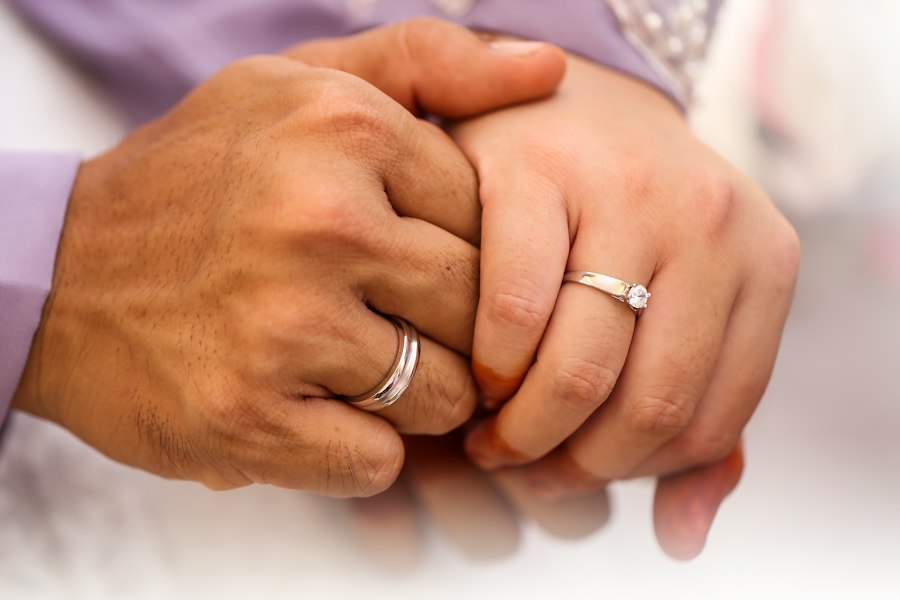
In our fast-paced lives, it’s incredibly easy for quality time with our spouse to slip down the priority list. Work commitments, household responsibilities, children, and individual hobbies can all conspire to fill our schedules, leaving little room for just us. However, we’ve come to understand that prioritizing dedicated, intentional time together isn’t a luxury; it’s a necessity for strengthening our bond. It’s during these moments that we reconnect, remember why we fell in love, and reinforce our shared journey.
Scheduled Dates and Spontaneous Adventures
We make a conscious effort to schedule regular date nights, whether it’s once a week or every other week. These don’t always have to be elaborate or expensive outings. Sometimes it’s a quiet dinner at home after the kids are asleep, a walk in the park, or watching a movie together with no distractions. The important thing is that it’s just the two of us, focusing on each other. Beyond scheduled dates, we also cherish spontaneous adventures. A sudden decision to grab coffee, take an unexpected drive, or even just spend an extra half-hour talking before bed can be incredibly powerful. These unplanned moments often feel more organic and can rekindle a sense of excitement and spontaneity in our relationship. We try to be present in these moments, putting away our phones and giving each other our full attention.
Shared Hobbies and Interests
Discovering or rediscovering shared hobbies and interests has been a wonderful way for us to spend quality time together. It could be anything from cooking new recipes, hiking, gardening, playing board games, or even learning a new skill together. When we engage in activities we both enjoy, it creates opportunities for shared experiences, laughter, and a deeper understanding of each other’s passions. Even if our individual interests differ, we make an effort to participate in each other’s hobbies occasionally. For example, one of us might join the other for a run, or we might attend a concert of a genre one of us particularly enjoys. This shows support and a willingness to step into each other’s worlds, enriching our shared life together. These shared activities build a rich tapestry of memories and strengthen our connection through common purpose and enjoyment.
Daily Rituals of Connection
Beyond longer stretches of quality time, we’ve found immense value in creating small, daily rituals of connection. These are brief, intentional moments that punctuate our day and remind us that we are partners. It could be as simple as having coffee together in the morning, even for just ten minutes, without immediately diving into the day’s tasks. Or, a quick hug and a genuine “How was your day?” when one of us walks through the door, followed by truly listening to the answer. Before bed, we make an effort to share a few moments of reflection, perhaps talking about our highlights or challenges of the day, or simply cuddling. These seemingly insignificant rituals accumulate over time, building a continuous thread of connection throughout our daily lives, ensuring we don’t drift apart amidst the busyness.
Practicing Appreciation and Affection

In the hustle and bustle of daily life,
FAQs
What are some common communication barriers in a marriage?
Common communication barriers in a marriage include lack of active listening, frequent interruptions, criticism, defensiveness, and stonewalling.
How can couples improve their communication in a marriage?
Couples can improve their communication in a marriage by practicing active listening, expressing feelings and needs clearly, avoiding blame and criticism, and seeking to understand each other’s perspective.
Why is it important to show empathy in a marriage?
Showing empathy in a marriage is important because it helps partners feel understood, valued, and supported. It fosters emotional connection and strengthens the bond between spouses.
What role does quality time play in improving connection in a marriage?
Quality time plays a crucial role in improving connection in a marriage as it allows couples to bond, communicate, and create shared experiences. Spending meaningful time together helps strengthen the emotional connection between partners.
How can couples work through conflicts constructively in a marriage?
Couples can work through conflicts constructively in a marriage by practicing active listening, using “I” statements to express feelings, taking breaks when needed, and seeking solutions that are mutually beneficial. It is important to approach conflicts with a mindset of understanding and compromise.