
The Enduring Significance of Christian Marriage
For us, the journey into matrimony within Christianity is far more than a legal or social contract; it is a sacred covenant, a profound reflection of Christ’s love for His Church. We see it as a spiritual union, blessed by God, intended to be a lifelong commitment between a man and a woman. This understanding forms the bedrock of all Christian wedding traditions, imbuing each element with deep theological meaning and emotional resonance. From the initial engagement to the final blessing, every step is carefully considered, designed to honor God, celebrate the couple, and establish a strong foundation for their future together. We believe that by adhering to these traditions, we are not simply performing rituals, but actively participating in a rich tapestry of faith that connects us to generations past and future. The beauty of these traditions lies not just in their aesthetic appeal, but in their capacity to articulate profound spiritual truths about love, sacrifice, and divine grace.
Understanding the Covenant
When we speak of Christian marriage as a covenant, we emphasize its unbreakable nature. Unlike a contract, which can be dissolved under certain conditions, a covenant is a solemn agreement sealed before God, implying a permanent bond. This understanding shapes our approach to marriage preparation, encouraging deep introspection and spiritual growth. We are taught that just as God’s covenant with His people is eternal and unwavering, so too should be the marital bond. This perspective elevates marriage beyond personal preference or societal expectation, placing it firmly within God’s divine plan for humanity. It fosters a sense of responsibility and commitment that goes beyond mere romantic feelings, calling us to a higher standard of love and faithfulness.
Scriptural Foundations of Marriage
Our understanding of Christian marriage is deeply rooted in scripture. We look to passages like Genesis 2:24, where it states, “Therefore a man shall leave his father and his mother and hold fast to his wife, and they shall become one flesh.” This concept of “one flesh” is central to our understanding of marital unity – a spiritual, emotional, and physical bond that transcends individual identities. Similarly, Ephesians 5:22-33 provides a profound analogy, comparing the husband-wife relationship to Christ and the Church. This passage instructs husbands to love their wives as Christ loved the Church, even to the point of sacrifice, and wives to respect their husbands. These scriptural teachings guide our expectations for marital roles and responsibilities, emphasizing mutual love, respect, and self-sacrifice as foundational pillars.
The Journey to the Altar: Pre-Wedding Rituals
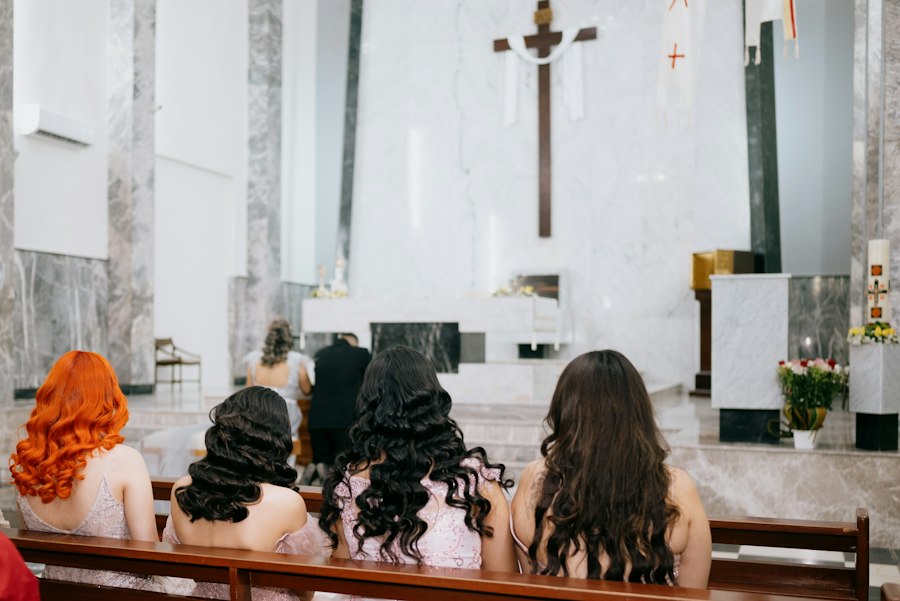
The path to a Christian wedding is often paved with meaningful pre-wedding rituals that prepare the couple spiritually, emotionally, and practically for the lifelong commitment they are about to make. These traditions vary across denominations and cultures, yet they all share the common goal of strengthening the couple’s bond with each other and with God. We view this preparatory period as crucial, not just a time for planning logistics, but for deepening understanding and solidifying intentions.
Engagement and Announcement
The engagement itself is more than just a proposal; it’s a public declaration of intent to marry, often accompanied by prayer and blessings from family and church leaders. In many traditions, we might see an engagement ring exchanged, symbolizing the promise of fidelity and eternity through its circular form. This period allows families to formally meet and bless the union, often involving traditions like engagement parties where the couple is celebrated and their upcoming marriage is formally announced to their wider community of faith. For us, this public declaration is important because it signifies the beginning of a community’s involvement in supporting and praying for the couple.
Pre-Marital Counseling
One of the most vital pre-wedding traditions we uphold is pre-marital counseling. This is a time for intentional preparation, often led by a pastor, priest, or trained counselor. During these sessions, we delve into important topics such as communication, conflict resolution, finances, intimacy, spiritual expectations, and family dynamics. The goal is to equip the couple with practical tools and a deeper understanding of what a Christ-centered marriage entails. We believe this proactive approach helps address potential challenges before they arise, fostering a stronger, more resilient union. It’s a space where we can openly discuss our hopes and fears, and receive guidance grounded in biblical principles.
Bridal Showers and Bachelor/Bachelorette Parties
While often seen as purely social events, bridal showers and bachelor/bachelorette parties within a Christian context can also carry deeper meaning. Bridal showers, traditionally hosted by female friends and family, are an opportunity for the community to shower the bride with gifts that will help her set up her new home. More importantly, they provide a space for older, married women to share wisdom and encouragement with the bride-to-be, offering insights into the joys and challenges of married life from a faith-based perspective. Similarly, while bachelor/bachelorette parties can sometimes be perceived as purely secular, within our faith, they are often celebrated with an emphasis on wholesome fun, fellowship, and affirming the individual before they embark on their new life chapter. The focus remains on celebrating the upcoming union in a way that honors Christian values.
The Sacred Ceremony: Unveiling Meaningful Rituals
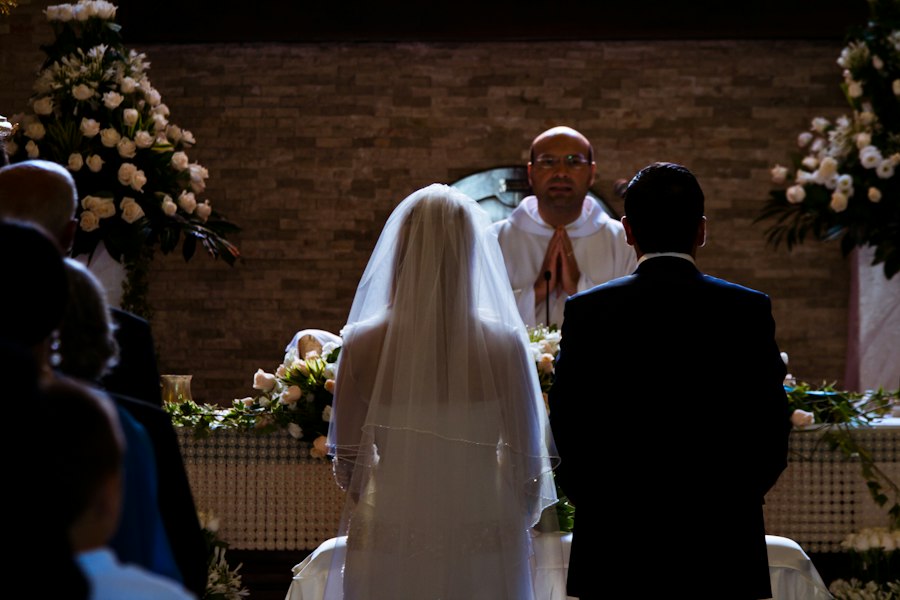
The Christian wedding ceremony itself is a rich tapestry of symbolism and ritual, each element carefully chosen to reflect theological truths and celebrate the sacred union. As we gather, we are not just witnessing a couple commit to each other; we are participating in a divine act, blessed by God and affirmed by the community of faith. Every gesture, every word, holds profound significance.
The Entrance Processional
The processional is a powerful start to the ceremony. We often see the bride, traditionally escorted by her father, walking down the aisle towards her groom. This act symbolizes the father “giving away” his daughter, not as property, but as a beloved individual embarking on a new life chapter, entrusting her into the care of her future husband. The music chosen for this moment is often reverent, setting a tone of solemnity and joy. For us, the entrance of the bridal party, and especially the bride, signifies the coming together of two individuals to form a new family unit under God’s watchful eye. It’s a moment filled with anticipation and profound symbolism.
Readings from Scripture
A cornerstone of any Christian wedding ceremony is the reading of scripture. We carefully select passages that speak to the nature of love, marriage, commitment, and God’s faithfulness. Common readings include excerpts from 1 Corinthians 13, known for its description of love (“Love is patient, love is kind…”), Ephesians 5, which discusses Christ’s love for the Church as a model for marriage, and Genesis 2, detailing the creation of man and woman and their union. These readings serve as a spiritual foundation for the marriage, reminding us of God’s design and His guidance for a fulfilling marital life. They are not merely ornamental; they are instructional and inspirational, anchoring the ceremony in divine truth.
The Exchange of Vows and Rings
The exchange of vows is arguably the most poignant moment of the ceremony. Here, the couple publicly declares their commitment to each other before God and their assembled community. These vows typically include promises of love, faithfulness, honor, and cherish, in sickness and in health, for richer or poorer, until death do them part. We recognize the gravity of these words, understanding them as solemn promises made directly to each other and to God. Following the vows, the exchange of rings takes place. The rings, with their unbroken circular shape, symbolize eternal love and fidelity, with no beginning and no end. They are a tangible reminder of the promises made, worn daily as a visible sign of their married status and enduring commitment.
The Unity Ceremony
Many Christian weddings incorporate a unity ceremony, a symbolic act performed by the couple to represent their coming together as one. While not ancient, these ceremonies have become popular for their visual representation of unity. Common examples include the lighting of a unity candle, where two smaller candles (representing the individuals) are used to light a larger central candle (representing their new shared life). Another popular option is the sand ceremony, where different colored sands are poured into a single vessel, symbolizing two distinct lives merging into one beautiful, inseparable whole. Some couples choose to braid three strands, representing the husband, the wife, and God as the central binding force in their marriage. These rituals serve as powerful visual metaphors for the spiritual and emotional oneness the couple is entering into.
The Homily/Sermon
Central to the ceremony is the homily or sermon delivered by the officiating minister. This address typically expounds on the biblical understanding of marriage, offering encouragement, wisdom, and spiritual guidance to the couple. The minister will often weave in personal anecdotes or stories, emphasizing the importance of faith, perseverance, and communication in building a lasting marriage. This is a time for reflection not only for the couple but for all married individuals present, as it reinforces the sacredness and challenges of the marital journey from a Christian perspective. The homily serves as a spiritual compass, setting the tone for the couple’s life together.
The Pronouncement and Benediction
The climax of the ceremony is the pronouncement of marriage, where the minister declares the couple to be husband and wife in the eyes of God and the community. This is often accompanied by a declaration of the couple’s new legal status. Following this, a benediction is offered – a prayer asking for God’s blessing, guidance, and protection over the newly married couple. This final blessing serves to consecrate their union, invoking divine favor upon their journey together. It is a moment of profound spiritual significance, sealing their covenant with God’s grace.
Post-Ceremony Celebrations and Enduring Symbolism
The celebration doesn’t end with the ceremony; in fact, the reception and subsequent elements of Christian weddings also carry significant meaning, reinforcing the joyous occasion and the deeper spiritual truths behind it. We understand these celebrations as extensions of the sacred covenant, a public display of joy and communal support.
The Wedding Reception
The wedding reception is a joyous occasion for friends and family to celebrate the newlywed couple. While it’s a time for feasting, dancing, and fellowship, within a Christian context, it also embodies themes of community, hospitality, and celebration of new beginnings. Often, prayers are offered before meals, and toasts frequently include blessings and well wishes rooted in faith. The atmosphere is one of communal joy, acknowledging that the marriage is not just between two individuals but is also embraced and supported by their wider faith community. We see it as a reflection of the joyous banquet described in scripture, a foretaste of heavenly celebration.
The Wedding Cake and its Symbolism
Even seemingly simple elements like the wedding cake hold symbolic weight. The sharing of the first slice of cake by the bride and groom symbolizes their first act of nurturing each other as husband and wife, a gesture of tenderness and mutual care. The cake itself, often multi-tiered, can represent the different layers of their life together, built upon a strong foundation. In some traditions, the cake topper might depict a cross or a loving couple, further reinforcing the Christian dimension of their union. The sweetness of the cake symbolizes the joy and sweetness they hope their life together will bring.
The Farewell and Departure
The couple’s departure from the reception, often accompanied by well-wishes and sometimes by traditions like throwing rice or birdseed (symbolizing fertility and prosperity), marks the official beginning of their life as husband and wife. This transition from celebration to their new life together is significant. It’s a moment where they leave the embrace of their families and friends to embark on their unique journey, armed with blessings and prayers from their community. For us, this departure signifies the commencement of their shared adventure, a new household founded on faith and love.
Nurturing a Lifelong Covenant: Beyond the Wedding Day
| Metric | Value | Notes |
|---|---|---|
| Average Length of Ceremony | 20-30 minutes | Varies by denomination and tradition |
| Common Wedding Months | June, September, October | Popular for favorable weather and tradition |
| Typical Number of Guests | 50-150 | Depends on family size and church capacity |
| Common Wedding Colors | White, Pastels | Symbolizes purity and new beginnings |
| Average Number of Bridesmaids | 3-5 | Close friends or family members |
| Average Number of Groomsmen | 3-5 | Close friends or family members |
| Typical Wedding Officiant | Priest, Pastor, Minister | Depends on denomination |
| Common Wedding Vows | Traditional or Personalized | Often includes promises of love, honor, and faithfulness |
| Percentage of Christian Weddings in US | Approximately 70% | Based on recent surveys |
| Typical Wedding Scripture Readings | 1 Corinthians 13, Ephesians 5:22-33 | Focus on love and marriage roles |
While the wedding day is a pinnacle of celebration and commitment, we understand that it is merely the beginning of a lifelong journey. The traditions surrounding Christian weddings are designed to establish a strong foundation, but the real work and blessing lie in nurturing the covenant every single day thereafter. We believe that true beauty of Christian marriage unfolds over decades, through joys and sorrows, growth and challenges.
Continual Spiritual Growth
For us, a Christian marriage is not static; it is a dynamic relationship that requires continuous spiritual growth from both partners. This involves shared prayer, reading scripture together, attending church services, and actively seeking God’s will for their lives and their union. We believe that a marriage rooted in faith will be more resilient, as couples can lean on God during difficult times and draw strength from His unending love. Growing individually in faith strengthens the marital bond, as both partners strive to be more Christ-like in their interactions with each other.
The Role of the Church Community
The church community plays an ongoing, vital role in supporting married couples. Beyond the wedding day, churches often offer marriage enrichment programs, couples’ Bible studies, and mentorship opportunities. We see this as a continuation of the communal support initiated during the engagement and wedding. The body of believers provides a network of encouragement, accountability, and practical advice, helping couples navigate the various stages of married life. Knowing that we are part of a larger faith family dedicated to upholding the sanctity of marriage provides immense comfort and strength.
Embracing the Vows Daily
The vows exchanged on the wedding day are not just words for a single event; they are living promises meant to be embraced and lived out daily. This means actively choosing to love, honor, cherish, and be faithful to one’s spouse, even when it’s difficult. It involves forgiveness, patience, sacrifice, and unwavering commitment. We understand that true love is not just a feeling, but a daily decision. By continuously returning to the essence of their vows and grounding them in their faith, Christian couples strive to build a marriage that reflects God’s enduring love – a beautiful, lifelong testament to faith and devotion.
FAQs
1. What is the significance of a Christian wedding ceremony?
A Christian wedding ceremony is a sacred event where two individuals make a lifelong commitment to each other before God and their loved ones. It is a celebration of love, unity, and the joining of two families.
2. What are some common traditions in a Christian wedding?
Some common traditions in a Christian wedding include exchanging vows, exchanging rings, lighting a unity candle, and receiving a blessing from the officiant. Other traditions may include readings from the Bible, prayers, and hymns.
3. Who can officiate a Christian wedding?
In most Christian denominations, a minister, priest, or pastor can officiate a wedding ceremony. Some churches may also allow deacons or other church leaders to officiate weddings. It is important to check with the specific church or denomination for their officiant requirements.
4. Are there specific requirements for getting married in a Christian church?
Each Christian denomination and church may have specific requirements for getting married in their church. Some common requirements may include premarital counseling, membership in the church, adherence to certain beliefs or practices, and obtaining a marriage license.
5. Can non-Christians have a Christian wedding ceremony?
Yes, non-Christians can have a Christian wedding ceremony if they are open to incorporating Christian traditions and beliefs into their ceremony. However, some churches may have restrictions on who can have a Christian wedding ceremony in their church, so it is important to discuss this with the officiant or church leadership.