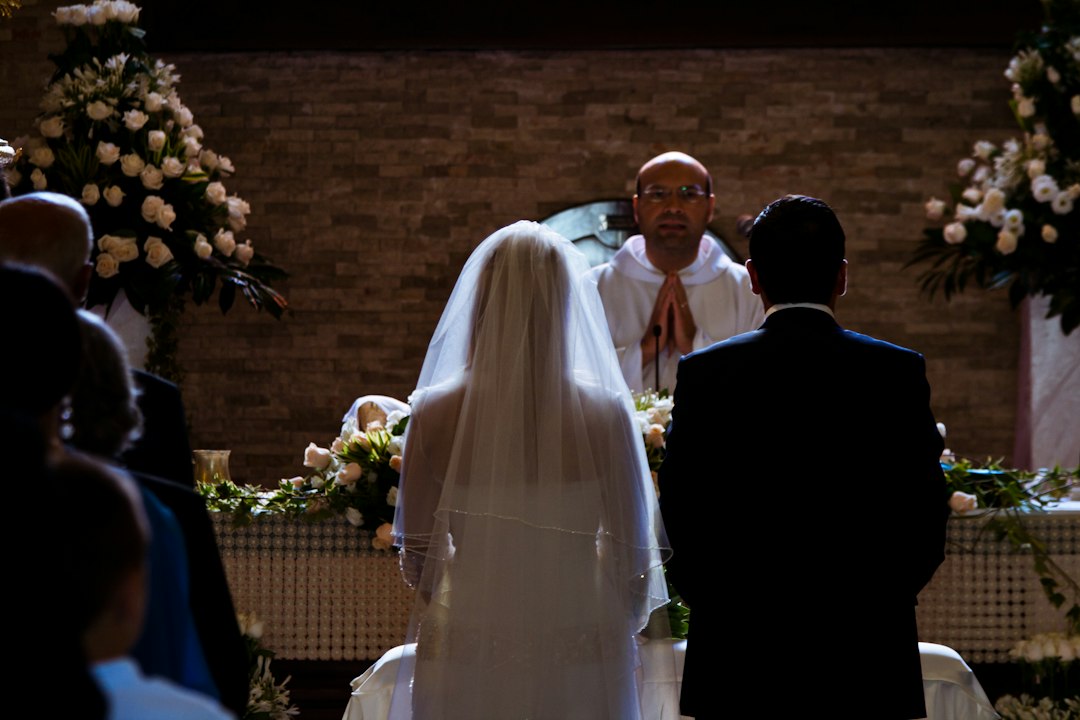
We, as a community, often ponder the intricate tapestry of relationships, particularly the sacred covenant of marriage. It is a journey, a divine institution, and a profound reflection of Christ’s love for His church. But how do we navigate its complexities, ensuring it stands resilient against the storms of life? How do we, with God’s grace, build a strong foundation for a successful Christian marriage? This exploration delves into the essential elements, the very cornerstones upon which a lasting and fulfilling marital union is built, always rooted in biblical principles and guided by the Holy Spirit. We seek to understand not just the ‘what’ but the ‘how,’ providing practical insights and spiritual encouragement for couples at every stage of their marital pilgrimage.
The Cornerstone of Christ: Our Unwavering Foundation
For us, the discerning believers, the ultimate truth remains: without Christ as the central pillar, any structure, no matter how meticulously planned, will inevitably crumble. A Christian marriage, therefore, begins and ends with Him. He is the architect, the builder, and the sustainer. We must, as individuals and as a couple, prioritize our relationship with Him above all else. This isn’t merely a platitude; it’s a foundational truth that informs every aspect of our marital journey.
Personal Relationship with God
Before we can truly give ourselves fully to our spouse in the sacred union of marriage, we must first have a vibrant and personal relationship with our Lord and Savior, Jesus Christ. This means spending dedicated time in His presence, daily. We find solace, guidance, and strength in His Word, the Bible. It is our lamp unto our feet and a light unto our path, illuminating the way forward for us, both individually and as a couple. We, through prayer, communicate with our heavenly Father, confessing our sins, seeking His wisdom, and expressing our gratitude. This personal intimacy with God molds our character, hones our perspectives, and equips us to love our spouse sacrificially, as Christ loved the church. Without this individual grounding, we risk bringing our own unaddressed baggage and unmet needs into the marriage, burdening the very relationship we seek to build up. We understand that a depleted spiritual wellspring in one spouse can affect the entire dynamic of the marriage, making it difficult to pour into each other as God intends.
Shared Spiritual Growth
While individual spiritual growth is paramount, a strong Christian marriage thrives on shared spiritual growth. We are called to pursue Christ together, to encourage one another in our faith, and to hold each other accountable in love. This can manifest in various ways: daily devotionals together, attending church services as a family, participating in small group Bible studies, and engaging in theological discussions. When we pray together, not just for practical needs but for spiritual discernment and growth, we invite God’s presence into the very heart of our union. We find that praying for our spouse, for their spiritual well-being, and for their walk with God, strengthens our bond in ways that mere human effort cannot achieve. It reminds us that we are partners not just in life, but in eternity. We are running the race together, and our ultimate destination is heaven. When one spouse is struggling spiritually, the other is called to minister to them, to lift them up, and to remind them of God’s faithfulness. This shared spiritual journey creates a powerful synergy, enabling us to face life’s challenges with a unified front, always leaning on our shared faith in Christ.
Communication: The Lifeline of Connection
We recognize that communication is not merely about exchanging words; it is about sharing our hearts, understanding our spouse’s perspective, and fostering true intimacy. In the hustle and bustle of daily life, it can be easy to let communication become superficial or infrequent. However, for us, effective and intentional communication is the very lifeline that keeps our marital connection vibrant and healthy. Without it, misunderstandings fester, resentment builds, and the emotional chasm between us widens.
Active and Empathetic Listening
One of the most vital aspects of effective communication is active and empathetic listening. We understand that true listening goes beyond simply hearing the words our spouse is saying; it involves truly seeking to understand their feelings, their concerns, and their underlying needs. This means setting aside distractions – our phones, the television, our own thoughts – and giving our spouse our undivided attention. We practice making eye contact, nodding in understanding, and asking clarifying questions. It’s about putting ourselves in their shoes, even when we don’t necessarily agree with their perspective. We resist the urge to interrupt, to formulate our rebuttal, or to offer unsolicited advice. Instead, we aim to validate their feelings, even if we can’t solve their problem. Phrases like, “I hear you saying…” or “It sounds like you’re feeling…” can be incredibly powerful in showing our spouse that we are truly engaged and that we value their thoughts and emotions. We believe that when our spouse feels truly heard and understood, it builds a deep sense of trust and security in the relationship.
Honest and Vulnerable Expression
While listening is crucial, so is honest and vulnerable expression. We are called to speak the truth in love, even when it’s difficult or uncomfortable. This means being willing to share our own thoughts, feelings, fears, and desires with our spouse, without fear of judgment or rejection. Vulnerability can be challenging, but it is the pathway to true intimacy. We learn to use “I” statements rather than “you” statements, focusing on our own feelings and experiences rather than blaming or criticizing our spouse. For example, instead of saying, “You always leave your clothes on the floor,” we might say, “I feel frustrated when I see clothes on the floor because it makes me feel like I’m the only one responsible for tidying.” This approach fosters a more constructive dialogue and reduces defensiveness. We also commit to discussing issues as they arise, rather than allowing resentment to simmer and explode later. We understand that healthy conflict resolution is a sign of a strong marriage, not a weak one. It demonstrates our commitment to working through challenges together and emerging stronger on the other side.
Love in Action: Serving and Sacrificing
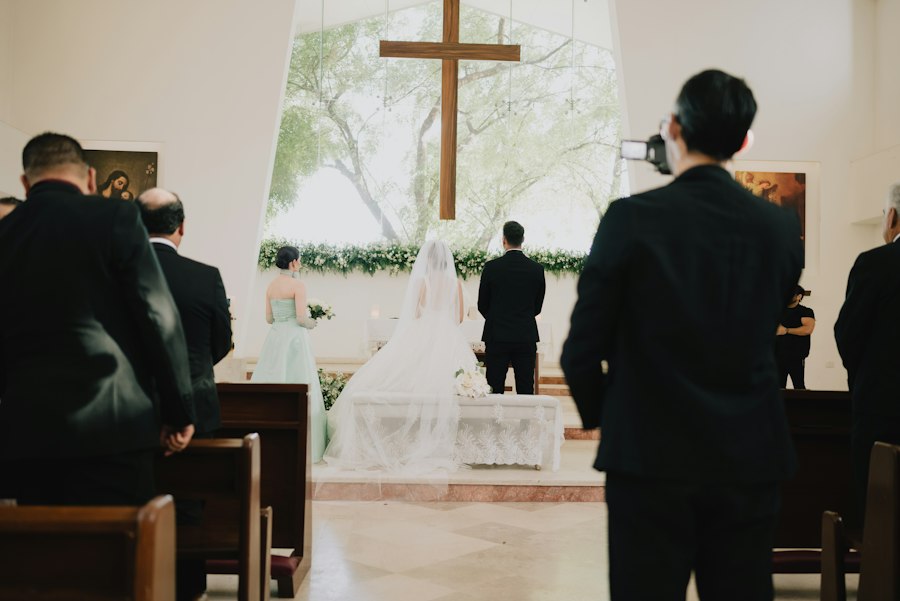
We, as followers of Christ, are called to love as He loved – sacrificially, selflessly, and unconditionally. In marriage, this translates into love in action, a daily commitment to serving our spouse and sacrificing our own desires for their well-being. It is easy to love when things are going well, but true love is demonstrated in the mundane and in the challenging moments, through our deeds and our attitudes. This active love is a dynamic force that continuously strengthens the marital bond.
Acts of Service
Love is not just a feeling; it is a verb. We are called to actively serve our spouse, looking for opportunities to lighten their load, make their day easier, and demonstrate our care. This could be as simple as making their morning coffee, doing a chore they dislike, running an errand for them, or helping them with a project. It’s about being observant of their needs and proactively meeting them, without being asked. We understand that these seemingly small acts of service communicate profound love and appreciation. They say, “I see you, I care about you, and I’m willing to go the extra mile for you.” These consistent demonstrations of love in action build a reservoir of goodwill and affection within the marriage. We also recognize that acts of service are not just about grand gestures but about the everyday attentiveness and consideration that makes life together more joyful and less burdensome. It’s a continuous outpouring of ourselves for the benefit of our beloved.
Sacrificial Giving
Beyond acts of service, a strong Christian marriage requires sacrificial giving. This means being willing to put our spouse’s needs and desires before our own, even when it’s inconvenient or requires personal sacrifice. It could involve compromising on a decision, giving up a personal preference for the sake of unity, or foregoing something we want so our spouse can have something they need. We remember the example of Christ, who gave His life for us while we were still sinners. This is the ultimate model of sacrificial love. In marriage, this translates into a willingness to lay down our own agendas, our pride, and our self-interest for the greater good of the marital union. It means choosing to forgive even when it’s difficult, choosing to be patient when we’re frustrated, and choosing to extend grace when our spouse falls short. We believe that true love is not about what we can get, but what we can give. This continuous act of selfless giving, rooted in our love for Christ, deepens our commitment to one another and fortifies our marriage against the inevitable challenges that arise.
Intimacy: Nurturing Emotional, Spiritual, and Physical Bonds
We understand that intimacy in marriage is a multi-faceted diamond, encompassing emotional, spiritual, and physical dimensions. It is not merely about physical connection, though that is a vital component. True intimacy is about profound closeness, a deep knowing and being known by our spouse in every aspect of our being. Nurturing these various forms of intimacy is crucial for a thriving and fulfilling Christian marriage.
Emotional Intimacy
Emotional intimacy is the bedrock upon which all other forms of intimacy are built. It involves feeling safe enough to be completely ourselves with our spouse, sharing our deepest thoughts, feelings, fears, and dreams without reservation. This means creating a safe space where vulnerability is welcomed, not judged. We cultivate emotional intimacy by being present for our spouse, listening without interruption, and validating their emotions. It’s about truly understanding their inner world and allowing them to understand ours. We share our joys, our sorrows, our triumphs, and our struggles. We learn to empathize with their experiences, offering comfort and support. This consistent sharing and emotional connection build a powerful bond that transcends daily tasks and superficial conversations. It’s the feeling of truly being seen and understood by the person we have chosen to spend our lives with, knowing that they are our confidant and our closest friend.
Spiritual Intimacy
As we touched upon earlier, spiritual intimacy is a profound and unique bond within a Christian marriage. It is the shared journey of seeking God together, supporting one another in our faith, and praying for each other. This kind of intimacy goes beyond attending church; it involves discussing theological questions, sharing insights from our personal devotions, confessing our spiritual struggles, and celebrating our spiritual victories. When we pray together, not just for meals or for needs, but for our relationship with God, for guidance, and for personal growth, we invite the Holy Spirit to minister to us as a couple. We become spiritual allies, encouraging each other to draw closer to Christ. This shared pursuit of God deepens our understanding of His will for our marriage and equips us to navigate life’s spiritual battles with a unified front. It reminds us that our marriage is not just about us, but about God’s glory and His purposes for our lives together.
Physical Intimacy
Physical intimacy, particularly sexual intimacy within the bounds of marriage, is a sacred gift from God, designed to foster deep connection, pleasure, and procreation. It is a unique expression of love and commitment between a husband and wife, a tangible manifestation of their “one flesh” union. We recognize that physical intimacy requires mutual respect, open communication, and a willingness to understand and meet each other’s needs. It is not just about physical release but about emotional closeness and vulnerability. This means being attentive to our spouse’s desires, communicating our own needs, and creating an atmosphere of safety and pleasure. We understand that life’s stresses, fatigue, and other factors can impact physical intimacy, but we commit to prioritizing this aspect of our marriage, viewing it as a vital way to express love and strengthen our bond. It is a beautiful reflection of the unity that God intends for marriage, a unique and exclusive experience shared only between husband and wife, fostering profound connection and joy.
Conflict Resolution: Navigating Disagreements with Grace
| Metric | Value | Notes |
|---|---|---|
| Average Age at First Christian Marriage (US) | 29 years (men), 27 years (women) | Varies by denomination and region |
| Percentage of Christians Married by Age 30 | Approximately 60% | Includes all Christian denominations |
| Divorce Rate Among Christian Marriages | Approximately 30-40% | Lower than general population in some studies |
| Common Marriage Preparation Practices | Pre-marital counseling, church ceremony | Emphasizes spiritual and relational readiness |
| Percentage of Christian Marriages with Religious Ceremony | Over 80% | Varies by culture and denomination |
| Average Length of Christian Marriages | Approximately 12-15 years (before divorce or separation) | Varies widely by region and denomination |
We know that even in the most loving and Christ-centered marriages, disagreements and conflicts are inevitable. We are two distinct individuals, with different backgrounds, personalities, and perspectives. The absence of conflict doesn’t signify a perfect marriage; rather, it often indicates a lack of honest communication or suppressed emotions. What truly defines a strong Christian marriage is not the absence of conflict, but how we, as a couple, navigate those disagreements with grace, respect, and a commitment to resolution that honors God.
Fair Fighting and Respectful Engagement
When conflicts arise, we commit to engaging in “fair fighting.” This means approaching disagreements with a desire to understand and resolve, rather than to win or to hurt. We establish ground rules: no yelling, no name-calling, no bringing up past mistakes (unless directly relevant to the current issue), and no walking out in the middle of a discussion. We focus on the issue at hand, rather than attacking our spouse’s character. We use “I” statements to express our feelings and needs, as discussed in the communication section, rather than accusatory “you” statements. We practice active listening, even when we disagree, seeking to understand our spouse’s perspective before defending our own. We remember that our spouse is not our enemy, but our partner. Our goal is to work together against the problem, not against each other. We also learn to recognize when we need a break and agree to revisit the discussion after a cool-down period, ensuring that we both return to the conversation with calmer minds and a renewed commitment to resolution.
Forgiveness and Reconciliation
Perhaps the most challenging, yet ultimately most rewarding, aspect of conflict resolution in a Christian marriage is the practice of forgiveness and reconciliation. We are called to forgive as Christ forgave us – freely and completely. This means letting go of resentment, releasing our spouse from the debt of their offense, and choosing to extend grace. Forgiveness doesn’t always mean forgetting, but it does mean choosing not to hold the offense against them. It allows us to move forward, to heal, and to restore the breach in our relationship. Reconciliation, on the other hand, is the act of repairing the relationship after a conflict. It involves both parties taking responsibility for their part, seeking to make amends, and rebuilding trust. It is a process that requires humility, patience, and a genuine desire to mend the brokenness. We understand that unresolved conflict and unforgiveness can poison a marriage, creating bitterness and distance. Therefore, we commit to pursuing forgiveness and reconciliation with diligence, knowing that it is a cornerstone of lasting marital health and a beautiful reflection of God’s grace in our lives. It allows us to experience true healing and to grow stronger as a couple through every challenge.
FAQs
What is the significance of Christian marriage?
Christian marriage is considered a sacred covenant between a man and a woman, reflecting the relationship between Christ and the Church. It is a commitment to love, honor, and cherish one another for a lifetime.
What are the key elements of a Christian marriage ceremony?
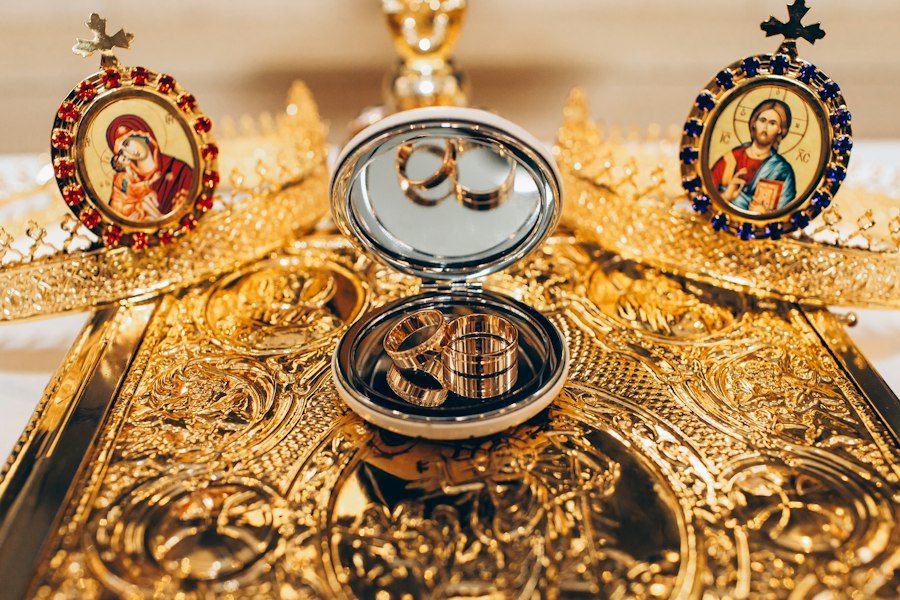
Key elements of a Christian marriage ceremony typically include vows exchanged by the couple, readings from the Bible, prayers, blessings, and the exchange of rings as a symbol of their commitment.
What role does faith play in a Christian marriage?
Faith plays a central role in a Christian marriage, as couples are encouraged to rely on God’s guidance, seek His wisdom in times of trouble, and grow together spiritually through prayer, worship, and fellowship.
How does the Bible define the roles of husband and wife in a Christian marriage?
The Bible teaches that husbands are to love their wives as Christ loved the Church, sacrificially and unconditionally, while wives are called to respect and submit to their husbands as the head of the household, in a spirit of mutual love and support.
What are some common challenges faced by Christian marriages?
Common challenges faced by Christian marriages include communication issues, financial stress, conflicts over parenting, and balancing individual needs with the needs of the marriage. Seeking counseling, prayer, and support from the church community can help couples navigate these challenges.