
The Divine Blueprint for Partnership
From the very beginning, in the sacred texts we hold dear, we find the profound concept of marriage woven into the fabric of creation. We believe that God, in His infinite wisdom and love, designed humanity for relationship, and the marital covenant stands as a primary illustration of this design. Genesis 2:18-24 paints a vivid picture for us: “It is not good that the man should be alone; I will make him a helper fit for him.” This isn’t merely about companionship, though that is a beautiful facet; it’s about a complementary partnership, a deep and enduring bond intended to reflect something even grander. We see Adam recognizing Eve as “bone of my bones and flesh of my flesh,” a declaration of profound unity and shared essence. This initial narrative sets the stage for our understanding of marriage as a divinely instituted relationship, distinct from all others. It is not a human invention, but a sacred institution established by God Himself, for our good and His glory. This foundational understanding shapes every aspect of our Christian perspective on marriage, from its purpose to its challenges and its ultimate redemption. We are called to approach marriage with reverence, recognizing its divine origin and striving to uphold its sacred vows.
The Nuptial Union as a Reflection of Christ and the Church
Perhaps one of the most profound theological insights into Christian marriage comes from the Apostle Paul in Ephesians 5. Here, he elevates the marital union beyond a simple earthly contract, presenting it as a living, breathing parable of Christ’s relationship with the Church. We are taught that a husband is to love his wife as Christ loved the Church and gave Himself up for her – a love that is sacrificial, unwavering, and utterly devoted. Similarly, a wife is called to respect her husband, submitting to him as the Church submits to Christ. This analogy isn’t about power dynamics in a worldly sense, but about roles within a divine order, where mutual love and respect permeate every interaction. We see the husband’s headship as one of servant leadership, mirroring Christ’s ultimate sacrifice for His bride. The wife’s submission, in turn, is a willing partnership, recognizing the husband’s God-given responsibility for leadership and protection within the family unit. This profound theological framework means that our marriages are not just for our own happiness, but they serve as a visible testament to the world of the invisible spiritual reality of Christ’s enduring love for His people. When we live out our marital vows faithfully, we are, in a very real sense, proclaiming the Gospel.
The Purposeful Design for Procreation and Family
Beyond companionship and spiritual reflection, we also understand marriage as the primary and God-ordained context for procreation and the raising of children. Psalm 127:3 reminds us that “Children are a heritage from the Lord, the fruit of the womb a reward.” We believe that within the secure and loving framework of a marital covenant, children are best nurtured, taught, and prepared to know and serve God. This isn’t to say that those who cannot have children are somehow incomplete or that adoption isn’t a blessed path; rather, it underscores God’s intention for family to be built upon the solid rock of marriage. The stability, commitment, and mutual love inherent in a Christian marriage provide an ideal environment for children to thrive physically, emotionally, and spiritually. We are called to raise our children in the “discipline and instruction of the Lord” (Ephesians 6:4), a task that is greatly supported when two parents are united in their faith and commitment to one another. Our families become miniature churches, where love, forgiveness, and discipleship are lived out daily.
Covenantal Commitment and Unconditional Love
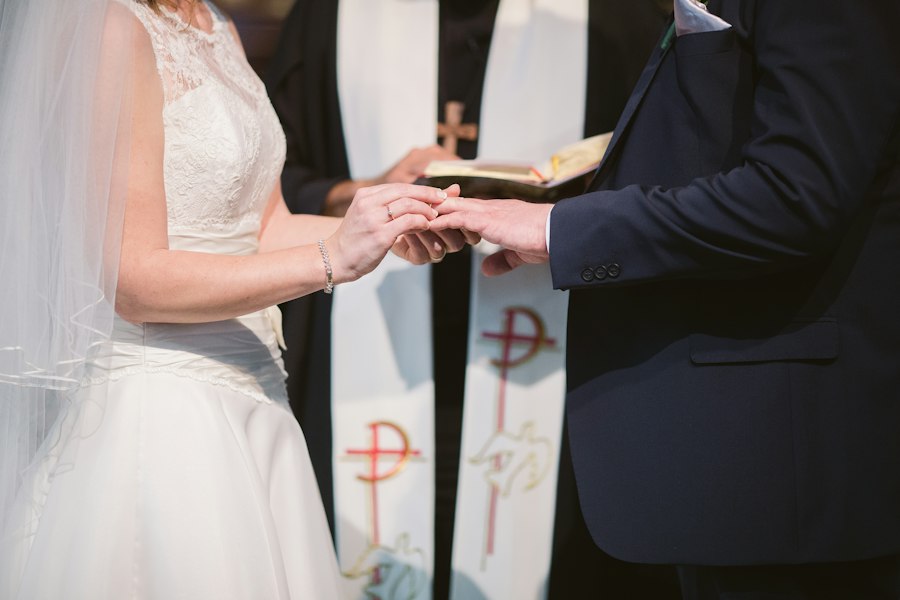
Central to our understanding of Christian marriage is the concept of a covenant. Unlike a contract, which can be broken when conditions are not met, a covenant is a sacred, unbreakable bond, made before God and often involving vows and witnesses. When we stand before the altar and pledge ourselves to one another, we are making a solemn promise not just to our spouse, but to God Himself. This covenantal nature imbues marriage with a profound permanence and sanctity. It means that our commitment is not contingent on feelings, circumstances, or even the actions of our spouse, but on the unbreakable promise we have made. We are called to love, honor, and cherish “for better, for worse, for richer, for poorer, in sickness and in health, until death do us part.” This commitment reflects God’s own covenant faithfulness to us, His people. Just as He remains true to His promises, even when we falter, so too are we called to remain steadfast in our marital vows.
Love Modeled on Agape
The love we are called to embody in marriage is not merely romantic love or passionate affection, though these are certainly wonderful components. Rather, it is primarily “agape” love, the unconditional, self-sacrificial love that is at the heart of the Christian faith. This is the love that Jesus demonstrated on the cross, a love that seeks the highest good of the other, even at great personal cost. In marriage, agape love means putting our spouse’s needs and well-being before our own. It means forgiveness when we are wronged, patience when we are frustrated, and perseverance when times are tough. It means choosing to love, even when we don’t feel loving. We are constantly reminded in scripture to “love one another deeply, from the heart” (1 Peter 1:22). This kind of love is not always easy; it requires effort, grace, and reliance on the Holy Spirit. But it is precisely this kind of love that builds enduring marriages and truly reflects the character of God.
Forgiveness and Grace as Cornerstones
Because we are imperfect human beings, living in a fallen world, conflict, hurt, and sin are inevitable even in the most loving of marriages. This is where the principles of forgiveness and grace become absolutely essential. We believe that just as God has extended immense grace and forgiveness to us through Christ, we are called to extend that same grace and forgiveness to our spouses. Holding onto grudges, nursing resentments, and refusing to forgive can quickly erode the foundation of a marriage. Instead, we are encouraged to “be kind to one another, tenderhearted, forgiving one another, as God in Christ forgave you” (Ephesians 4:32). This doesn’t mean condoning sin or ignoring harmful patterns, but rather, a commitment to reconciliation, healing, and moving forward in love. It’s about letting go of bitterness and choosing to restore the relationship, mirroring the restorative power of God’s grace in our own lives. We understand that true forgiveness often involves a process, but the willingness to offer it is a powerful act of love and obedience.
The Role of Scripture and Prayer in Strengthening Marriages

For us, the Bible is not just an ancient text; it is the living and active Word of God, our ultimate guide for all aspects of life, including marriage. We constantly turn to its wisdom for instruction, encouragement, and correction. Scripture offers timeless principles for communication, conflict resolution, intimacy, and raising children within the marital context. Similarly, prayer is an indispensable tool for strengthening our unions. When we pray together as a couple, we invite God into the center of our relationship, acknowledging our dependence on Him and seeking His guidance and blessing. We believe that a couple who prays together, stays together, because they are constantly aligning their hearts with God’s will for their marriage.
Biblical Principles for Communication and Conflict Resolution
Scripture provides us with invaluable guidelines for how we should communicate with one another, especially within the sacred bond of marriage. We are exhorted to “let no corrupting talk come out of your mouths, but only such as is good for building up, as fits the occasion, that it may give grace to those who hear” (Ephesians 4:29). This means speaking with kindness, patience, and honesty, avoiding harsh words, criticism, and contempt. When conflict inevitably arises, we are taught to address it directly and humbly, rather than allowing resentment to fester. Matthew 18:15-17 outlines a process for reconciliation within the broader community that we can often adapt to our marriages: speak to one another, seek resolution, and involve wise counsel if needed. The goal is always restoration and understanding, not winning an argument. We understand that effective communication, rooted in biblical principles, is the lifeblood of a healthy Christian marriage.
Spiritual Intimacy Through Shared Faith Practices
Beyond individual prayer and scripture reading, we find immense strength and deeper intimacy in engaging in shared faith practices as a couple. This might include reading the Bible together, discussing sermons, attending church services, serving in ministry, or participating in small groups. When we pursue God together, our spirits are knit more closely. We share a common purpose, a shared foundation of truth, and a mutual pursuit of spiritual growth. This spiritual intimacy often deepens emotional and physical intimacy, creating a holistic bond that transcends the everyday. It reinforces our identity as a spiritual team, working together for God’s kingdom and supporting each other in our individual walks with Christ. We learn to bear one another’s burdens, celebrate one another’s victories, and hold each other accountable, all within the loving framework of our shared faith.
Overcoming Challenges and Seeking Godly Counsel
We are realistic; we know that marriage, even a Christian marriage, is not always easy. It faces myriad challenges, from financial pressures and career demands to parenting struggles, health issues, and personal sin. We acknowledge that our faith does not exempt us from these difficulties, but it does provide us with the resources and resilience to navigate them. When faced with significant challenges, we are called not to despair, but to press into God, seeking His wisdom and strength. This often involves humility, self-reflection, and a willingness to admit our own shortcomings.
The Sacredness of Marital Fidelity
In a world that often minimizes the importance of commitment and fidelity, we uphold the sacredness of the marital bed and the exclusive nature of sexual intimacy within marriage. Hebrews 13:4 states, “Let marriage be held in honor among all, and let the marriage bed be undefiled, for God will judge the sexually immoral and adulterous.” We believe that sexual intimacy is a precious gift from God, designed to be enjoyed exclusively within the covenant of marriage, fostering deep unity, pleasure, and connection between a husband and a wife. Any breach of this fidelity, whether physical or emotional, is a serious violation of the marital covenant and causes profound hurt and damage. We are called to guard our hearts and minds, practicing purity and faithfulness, recognizing that our bodies are temples of the Holy Spirit.
When to Seek Wise and Godly Counsel
There are times when the challenges we face in marriage feel insurmountable, or when we are stuck in unhelpful patterns. In these moments, we are strongly encouraged to seek wise and godly counsel. This might come from trusted elders in our church, experienced mentors, or Christian counselors who are trained to help couples navigate difficult issues from a biblical perspective. We believe that God often uses others to speak truth, offer guidance, and facilitate healing in our lives. Seeking help is not a sign of failure, but a sign of strength and a commitment to preserving the sacred union. It demonstrates humility and a recognition that sometimes we need an outside perspective to see clearly and find a path forward. The body of Christ is meant to support and uphold its members, and this includes offering guidance and support to marriages in need.
The Enduring Hope and Eschatological Significance
| Aspect | Christianity Perspective | Common Practices | Statistics/Trends |
|---|---|---|---|
| Marriage Definition | Union between one man and one woman, considered sacred and ordained by God | Church wedding ceremonies, vows before God | Majority of Christian denominations uphold monogamous marriage |
| Marriage Purpose | Companionship, procreation, mutual support, and spiritual growth | Emphasis on lifelong commitment and raising children in faith | High value placed on family stability in Christian communities |
| Divorce | Generally discouraged; allowed in some denominations under specific circumstances | Annulments, counseling, and reconciliation efforts common | Divorce rates vary; some Christian groups report lower rates than general population |
| Marriage Preparation | Pre-marital counseling and education encouraged | Pre-marriage courses, spiritual guidance | Many churches require or recommend preparation before marriage |
| Same-Sex Marriage | Views vary widely; many traditional denominations do not recognize it | Some progressive churches perform same-sex marriages | Growing acceptance in some Christian communities, but majority remain opposed |
Our Christian understanding of marriage extends beyond our earthly lives. While marriage as we know it will not exist in the same way in heaven (Mark 12:25), we believe that it points to a greater reality: the eternal union of Christ and His Church. Our present marriages, in their fidelity, love, and perseverance, are a foretaste of that ultimate, perfect union. This eschatological hope gives our marriages even deeper meaning and purpose. It reminds us that our relationships here on earth are training grounds for eternity, opportunities to practice the self-sacrificial love that characterizes Christ’s reign.
Marriage as a Testimony to the World
Finally, we understand our Christian marriages to be a powerful testimony to a world often disillusioned with love and commitment. When we live out our vows faithfully, demonstrating agape love, forgiveness, and perseverance, we offer a tangible example of God’s love and the transformative power of the Gospel. Our marriages become a “light of the world,” reflecting the light of Christ. We are called to live in such a way that others see our good works and give glory to our Father in heaven (Matthew 5:16). A strong, Christ-centered marriage can be a beacon of hope, demonstrating that enduring love, joy, and partnership are indeed possible through faith. We are ambassadors for Christ, and our marriages are a significant part of that ambassadorship, showcasing the beauty and truth of His design.
FAQs
What is the significance of marriage in Christianity?
Marriage is considered a sacred union between a man and a woman in Christianity. It is seen as a reflection of the relationship between Christ and the Church, symbolizing love, commitment, and unity.
What are the key principles of a Christian marriage?
Some key principles of a Christian marriage include love, mutual respect, faithfulness, communication, and the importance of putting God at the center of the relationship.
Is divorce allowed in Christianity?
Divorce is generally discouraged in Christianity, as marriage is viewed as a lifelong commitment. However, some Christian denominations do allow for divorce in certain circumstances, such as adultery or abandonment.
What role does the Bible play in Christian marriages?
The Bible is often seen as a guidebook for Christian marriages, providing wisdom, advice, and teachings on how to build a strong and healthy relationship based on God’s principles.
How do Christian weddings differ from secular weddings?
Christian weddings typically involve religious rituals, prayers, and readings from the Bible. The focus is on God’s blessing on the union and the couple’s commitment to each other under the guidance of their faith.